
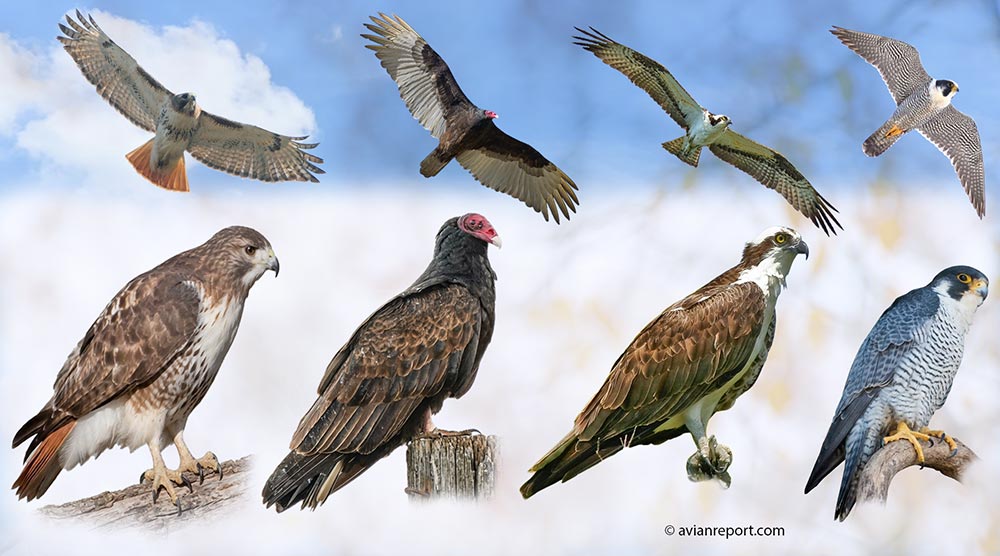
North American birds of prey, or raptors, are specialized avian predators defined by strong grasping feet, curved talons, hooked upper beaks, and exceptionally acute binocular vision. Ecologically, these diurnal carnivores occupy top trophic levels, regulating populations of rodents, small mammals, birds, reptiles, amphibians, and insects across diverse biomes. Taxonomically, diurnal raptors across the continent are primary members of two distinct evolutionary lineages: the order Accipitriformes (family Accipitridae, along with Pandionidae and Cathartidae) and the order Falconiformes (family Falconidae).
- Birds of Prey or Raptors?
- Taxonomic Overview and Evolutionary Relationships
- Family Accipitridae: Hawks, Kites, Eagles, Harriers, and Ospreys
- Family Falconidae: True Falcons and Caracaras
- Field Identification, Morphological Adaptations, and Anatomy
- Foraging Strategies and Hunting Mechanics
- Reproduction, Nesting Dynamics, and Life History
- Habitats, Migration Pathways, and Conservation Status
- Comparative Matrix of Representative North American Raptors
Birds of Prey or Raptors?
In everyday American conversation, birds of prey and raptors are used interchangeably to describe predatory birds, but they carry subtle differences in tone, familiarity, and association:
- Birds of Prey: The most traditional, accessible, and self-explanatory term. Used predominantly in casual speech, children’s books, mainstream media, and general education to intuitively describe any bird that hunts and kills other animals for food (hawks, eagles, falcons, owls, and vultures).
- Raptors: Derived from the Latin rapere (“to seize”), this term is preferred by birdwatchers, field researchers, and wildlife professionals because it highlights the physical adaptations used to capture prey (curved talons and hooked bills). In modern American pop culture, it also frequently evokes images of predatory dinosaurs (like Velociraptor). Using “raptor” in casual speech often sounds slightly more technical, enthusiastic, or modern than “bird of prey.”
This guide focuses exclusively on North America’s diurnal raptors—the eagles, hawks, falcons, kites, harriers, and Ospreys that navigate thermal currents and rely on hyper-acute visual sensing under daylight. For a deep dive into nighttime hunters, including their silent flight mechanics, binocular night vision, and acoustic facial discs, visit our dedicated pillar page on North American Owls.
Taxonomic Overview and Evolutionary Relationships
The order Accipitriformes encompasses the vast majority of diurnal birds of prey, including hawks, eagles, kites, harriers, and Old World vultures. Historically, the family Accipitridae was grouped alongside falcons in a single order, but modern molecular phylogenetics demonstrates that falcons are more closely related to parrots and passerines than to accipitrids.
The family Accipitridae contains roughly 235 species in 66 genera globally, with 24 species across 14 genera regularly breeding or occurring in North America. Taxonomic placement within this family remains dynamic. For instance, while the American Ornithological Society (AOS) traditionally classifies the Osprey (Pandion haliaetus) within Accipitridae under the subfamily Pandioninae, many authorities elevate it to its own family, Pandionidae.
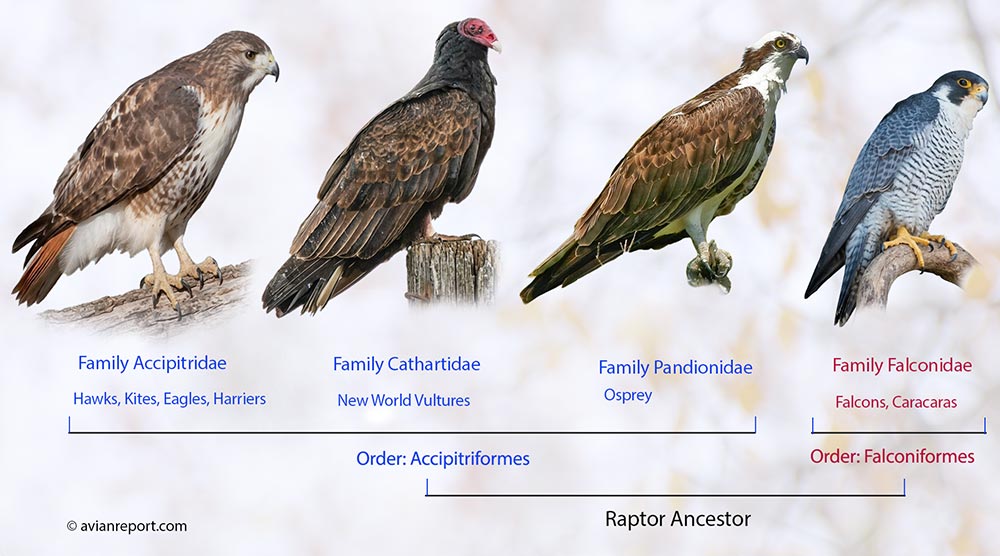
Members of the family Falconidae diverge from accipitrids morphologically and behaviorally. Falcons possess a specialized notched bill featuring a “tomial tooth” and matching mandibular notch, used to sever the spinal cords of vertebrate prey. Unlike accipitrids, which kill primarily via foot compression and talon puncture, falcons utilize high-velocity aerial pursuits and precise cervical disarticulation.
| Taxonomic Group | Primary Families | Key Morphological Features | Primary Prey Capture Mechanism | Typical Flight Profile |
| Accipitrids | Accipitridae, Pandionidae | Broad or rounded wings, strong grasping feet, un-notched bill | Foot compression, deep talon puncture | Thermal soaring, flapping-gliding, quartering |
| Falcons & Caracaras | Falconidae | Long, pointed wings, tomial tooth on bill, short toes | High-speed stoop impact, cervical bite | Rapid wingbeats, sustained high-velocity dives |
| New World Vultures | Cathartidae | Perforated nares, featherless heads, weak feet, broad wings | Scavenging (carrion detection via sight/smell) | Low-energy thermal soaring, rocking dihedral |
Family Accipitridae: Hawks, Kites, Eagles, Harriers, and Ospreys
Buteos (Soaring Hawks)
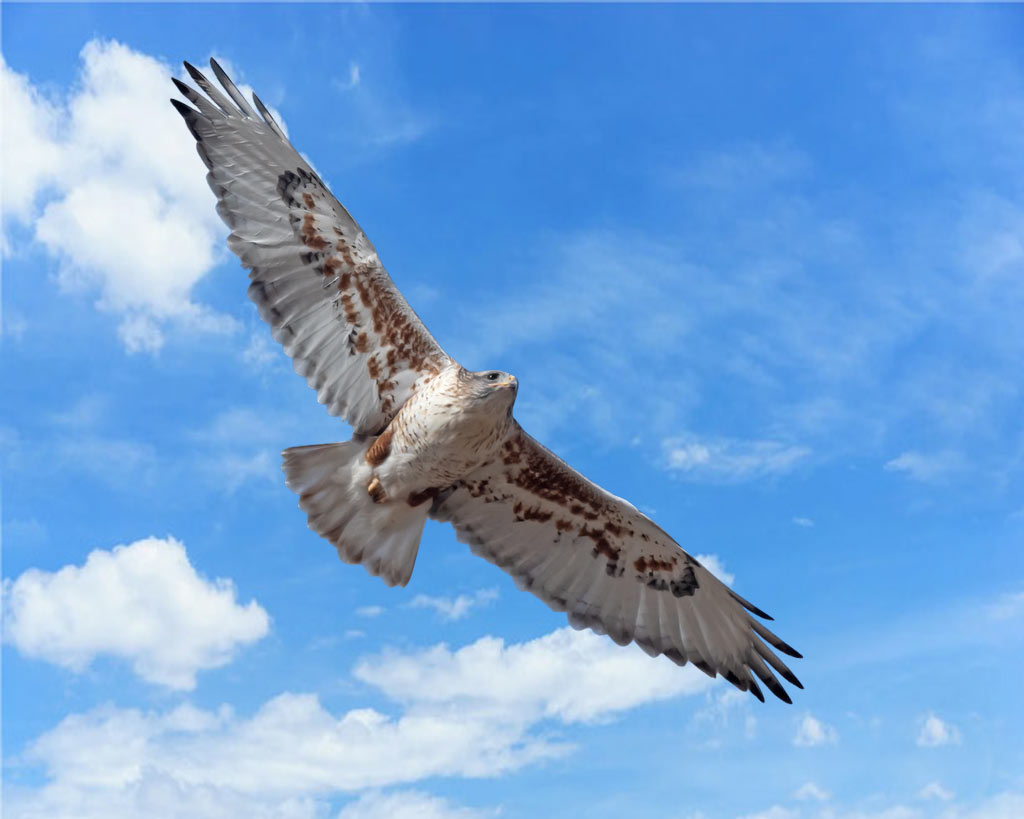
The genus Buteo and its close relatives (Parabuteo, Buteogallus) represent stocky, broad-winged, and short-tailed raptors adapted for thermal soaring. Widespread species like the Red-tailed Hawk (Buteo jamaicensis) and Broad-winged Hawk (Buteo platypterus) utilize open habitats, forest edges, and woodlands. Their low wing-loading allows them to gain altitude on rising columns of warm air with minimal mechanical energy expenditure.
In European nomenclature, members of the genus Buteo are referred to as “buzzards,” a term colloquialized differently in North America. These hawks show immense plumage variation, ranging from light morphs to dark melanistic forms. Subspecies such as “Harlan’s” Red-tailed Hawk (B. j. harlani) highlight the extensive clinal and geographical variation present across the continent.
Accipiters (Forest Hawks)
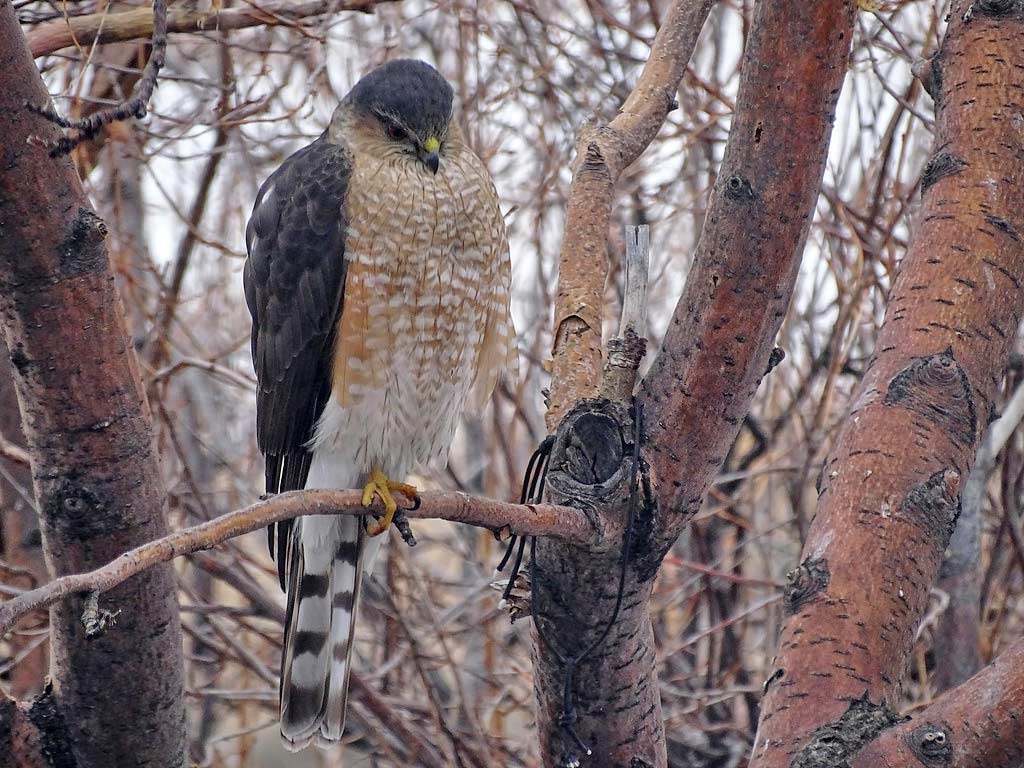
The genus Accipiter (and recently reclassified Astur) comprises specialized woodland predators characterized by short, rounded wings and long, narrow rectrices (tail feathers). The Sharp-shinned Hawk (Accipiter striatus), Cooper’s Hawk (Accipiter cooperii), and Northern Goshawk (Astur gentilis) exhibit anatomical adaptations that maximize maneuverability through dense forest canopies.
Accipiters rely on short bursts of acceleration from hidden perches to surprise avian prey. Their elongated tarsometatarsi and thin, flexible digits enable them to snatch birds in mid-air or reach deep into foliage. Unlike soaring buteos, accipiters utilize a characteristic flight pattern consisting of several rapid wingbeats followed by a brief glide.
Harriers (Open-Country Gliders)
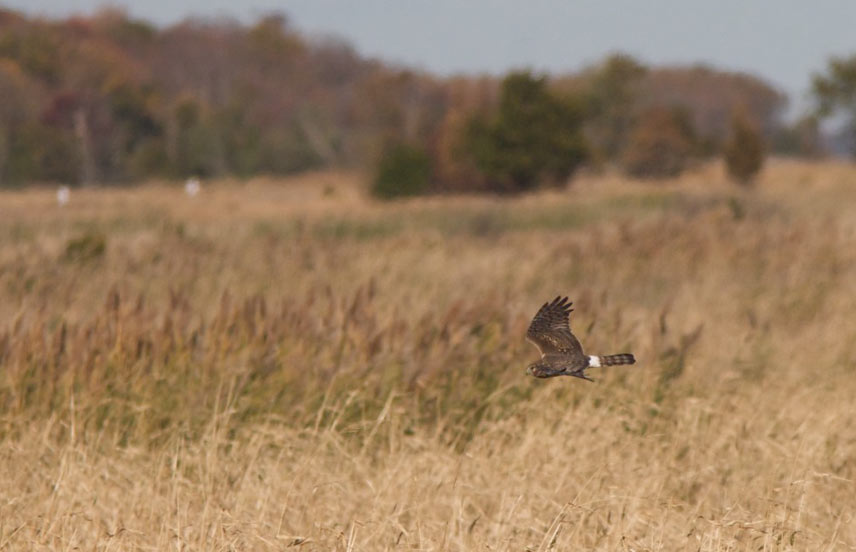
The Northern Harrier (Circus hudsonius) is North America’s sole representative of the harrier lineage. Harriers are slender, long-winged, long-tailed birds of prey that hunt by quartering low over grasslands, wet meadows, and marshes. They possess a distinctive facial disc similar to that of owls, which acoustically funnels the faint sounds of rustling rodents toward their ears.
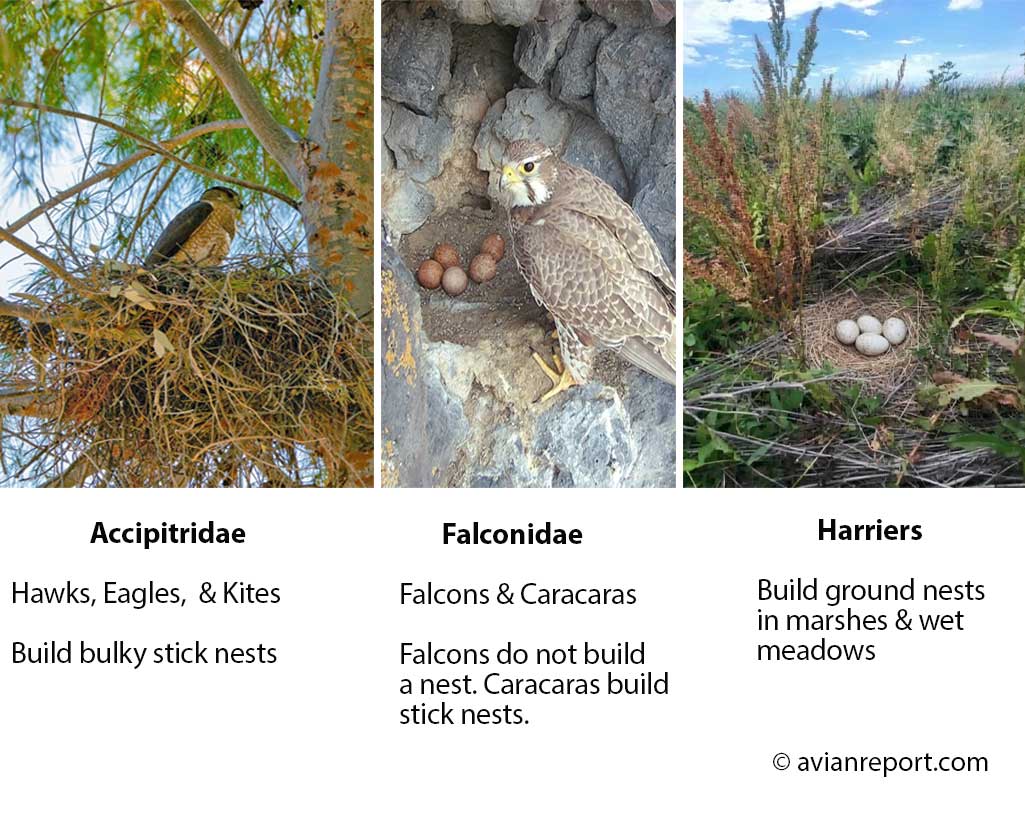
Harriers fly with their wings held in a pronounced V-shape (dihedral) while scanning the ground below. They nest directly on the ground in dense vegetation, departing from the elevated arboreal nesting habits of most other accipitrids. Sexual dimorphism in plumage is stark: adult males are pale gray (“Gray Ghosts”), while females and juveniles are brown with streaked underparts.
Kites (Insect and Snail Specialists)
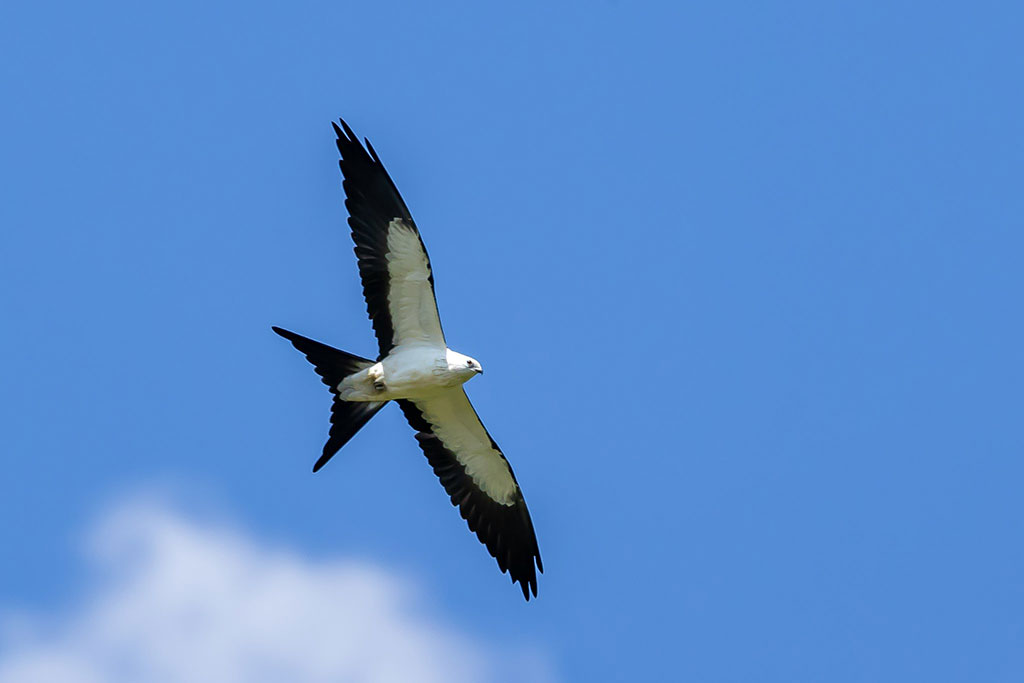
North American kites represent a diverse group of small to medium-sized birds of prey, each occupying a specialized ecological niche. The Swallow-tailed Kite (Elanoides forficatus) and Mississippi Kite (Ictinia mississippiensis) feature high aspect-ratio wings, allowing them to capture insects and small reptiles on the wing.
In contrast, the Snail Kite (Rostrhamus sociabilis) is an obligate molluscivore with a hyper-specialized slender, curved bill designed to extract apple snails (Pomacea) from their shells. The White-tailed Kite (Elanus leucurus) hunts rodents in open grasslands by hovering in place (windhovering) before dropping vertically onto its prey.
Eagles (Apex Soarers)
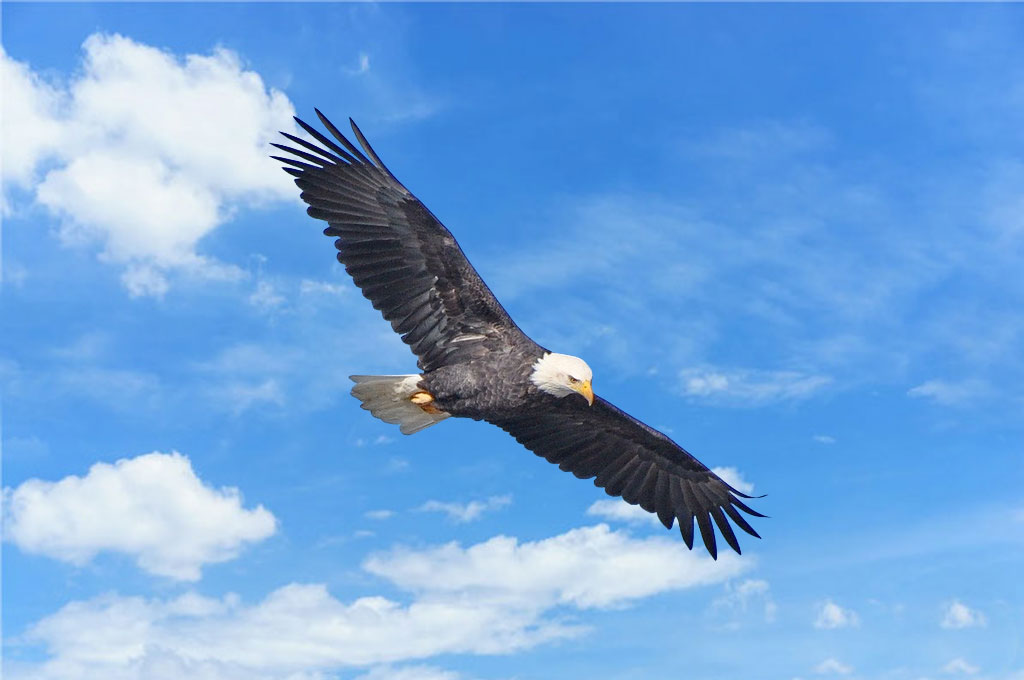
North America hosts two resident eagle species representing distinct phylogenetic lineages within Accipitridae. The Golden Eagle (Aquila chrysaetos) belongs to the “booted” or true eagles, distinguished by feathered tarsi extending down to the toes. It inhabits open country and mountainous regions, hunting mammals such as jackrabbits, marmots, and ground squirrels.
The Bald Eagle (Haliaeetus leucocephalus) belongs to the sea or fish-eagle group, closely related to kites. Bald Eagles feature bare tarsi adapted for gripping aquatic prey and foraging near rivers, lakes, and coasts. Both species undergo delayed maturation, requiring four to five years and several sequential molts to attain full adult plumage.
Osprey and New World Vultures
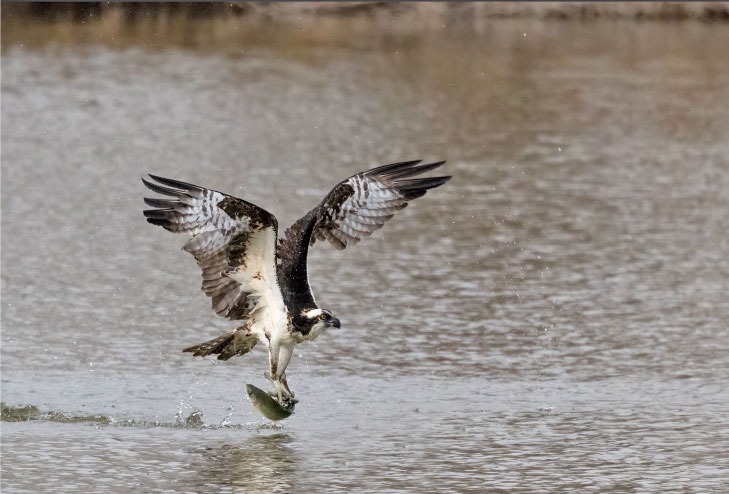
The Osprey (Pandion haliaetus) is a piscivorous specialist possessing unique anatomical features, including reversible outer toes (zygodactyl arrangement), spicules on the footpads for holding slippery fish, and dense, water-repellent plumage. Ospreys hunt by hovering over open water and executing steep, feet-first plunges.
New World vultures (family Cathartidae), including the Turkey Vulture (Cathartes aura) and Black Vulture (Coragyps atratus), lack the grasping strength and sharp talons of accipitrids. While traditionally classified alongside hawks due to superficial similarities, cathartids are obligate scavengers. The Turkey Vulture utilizes an exceptionally well-developed olfactory bulb to detect ethyl mercaptan gases emitted by decaying organic matter.
Family Falconidae: True Falcons and Caracaras
Falcons (High-Speed Aerial Predators)
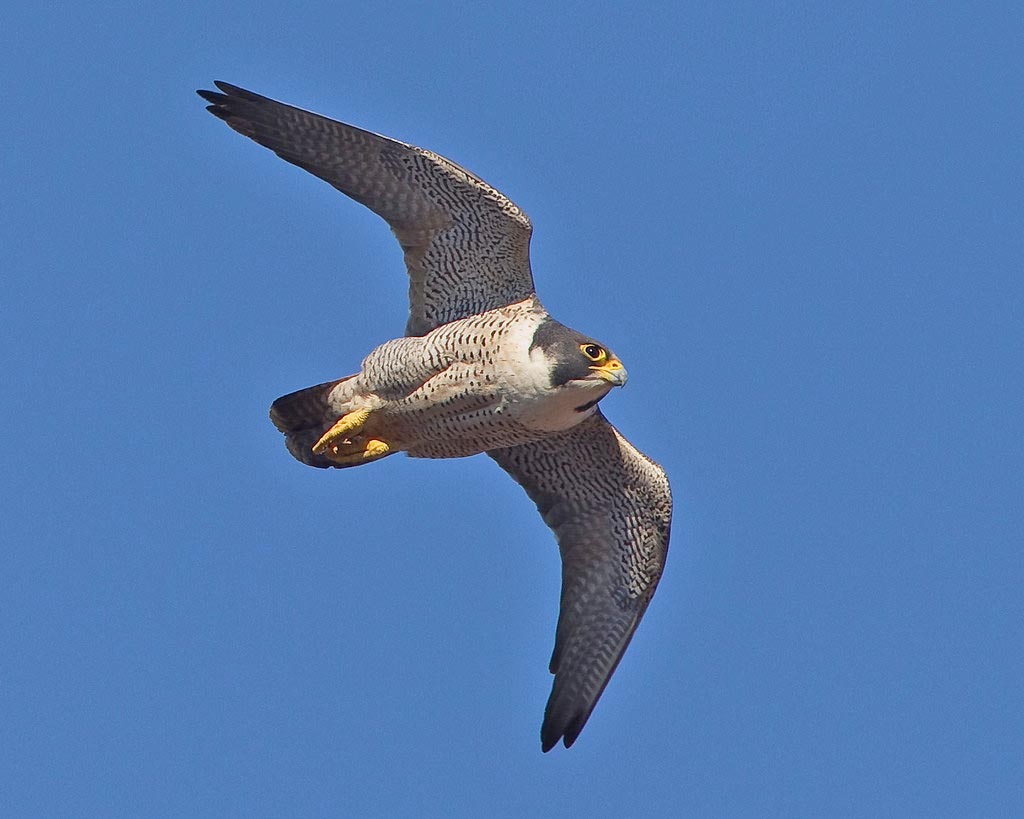
The family Falconidae in North America is represented by six primary species ranging from the diminutive American Kestrel (Falco sparverius) to the massive Gyrfalcon (Falco rusticolus). Falcons are characterized by long, pointed wings, rigid feather structures, and high wing-loading. These features facilitate sustained high-speed powered flight rather than passive thermal soaring.
The Peregrine Falcon (Falco peregrinus) exemplifies the biomechanical peak of aerial hunting, achieving speeds exceeding 200 mph (320 km/h) during vertical hunting dives known as “stoops.” Bony tubercles inside the falcon’s nostrils disrupt incoming high-pressure airflow, allowing the bird to breathe normally during high-speed dives.
Caracaras (Scavenging Ground Raptors)
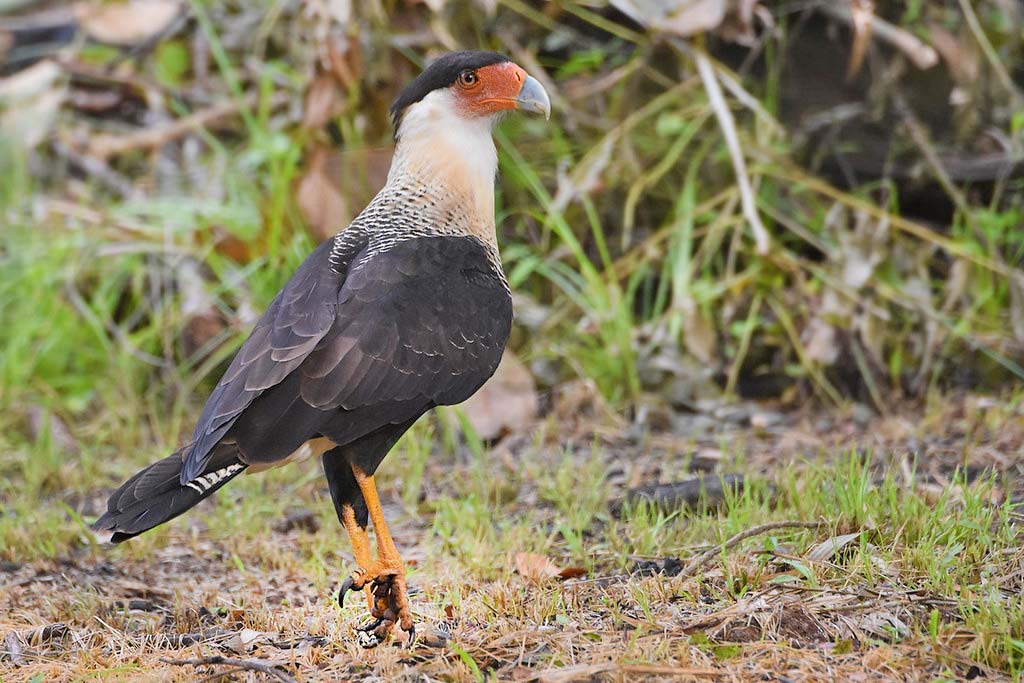
The Crested Caracara (Caracara plancus) represents an aberrant, highly terrestrial lineage within Falconidae. Native to the southern borders of the United States, caracaras possess long legs, flattened claws, and a semi-bare facial patch of skin that changes color based on physiological stress or excitement.
Unlike true falcons, caracaras spend considerable time walking and running on the ground. They are opportunistic omnivores and scavengers, feeding on carrion, small vertebrates, and invertebrates while often associating with vultures at roadkills.
Field Identification, Morphological Adaptations, and Anatomy
Wing Aspect Ratios and Aerodynamic Profiles
Raptor flight profiles reflect specific aerodynamic adaptations tailored to habitat structure and hunting strategy. The aspect ratio of a wing—the ratio of its span to its mean chord—determines lift efficiency, agility, and drag generation.
High-aspect-ratio wings (long and narrow) found in kites and falcons reduce induced drag, enabling high-velocity stoops or energy-efficient dynamic soaring in wind currents. Low-aspect-ratio wings (short and broad) seen in accipitrine forest hawks maximize immediate thrust and maneuverability through obstacles.
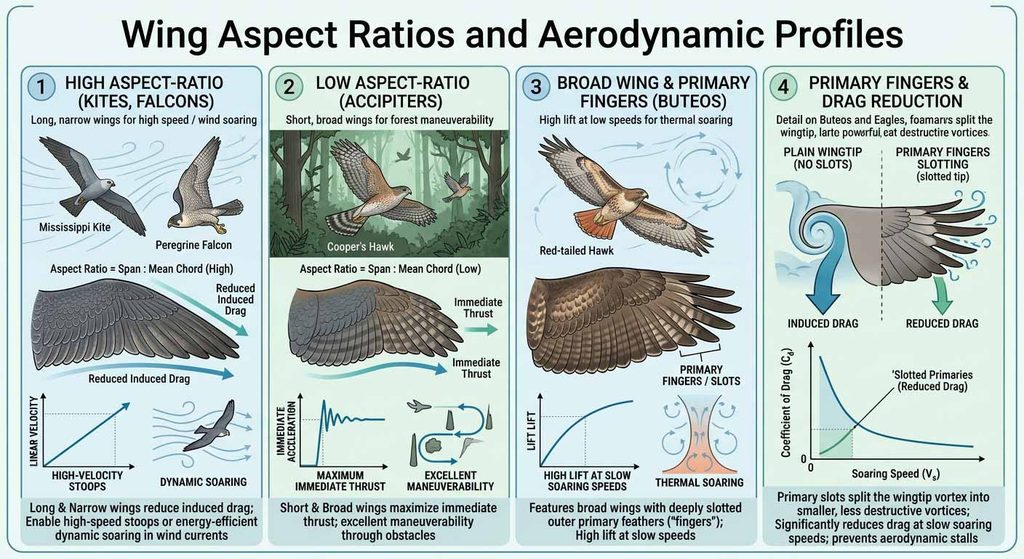
Soaring buteos and eagles feature broad wings with deeply slotted outer primary feathers (“fingers”). These primary slots split the wingtip vortex into smaller, less destructive vortices, significantly reducing drag at slow soaring speeds and preventing aerodynamic stalls.
Vision, Cranial Structures
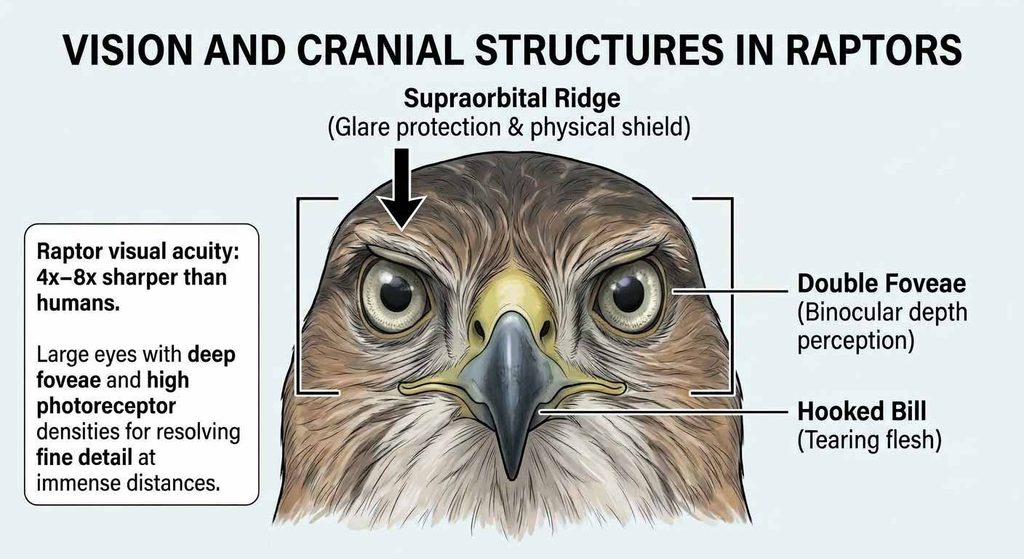
Raptors possess extraordinary visual acuity, estimated to be four to eight times sharper than that of humans. Their large eyes contain deep foveae with extremely high photoreceptor densities, allowing them to resolve fine details at immense distances. A prominent bony brow, the supraorbital ridge, shades the eye from solar glare and protects the globe when moving through brush.
Plumage Variation
Plumage variation within species complicates field identification. Polymorphism is common in open-country species like the Swainson’s Hawk, Ferruginous Hawk (Buteo regalis), and Rough-legged Hawk (Buteo lagopus), which present distinct light, intermediate, and dark (melanistic) morphs.
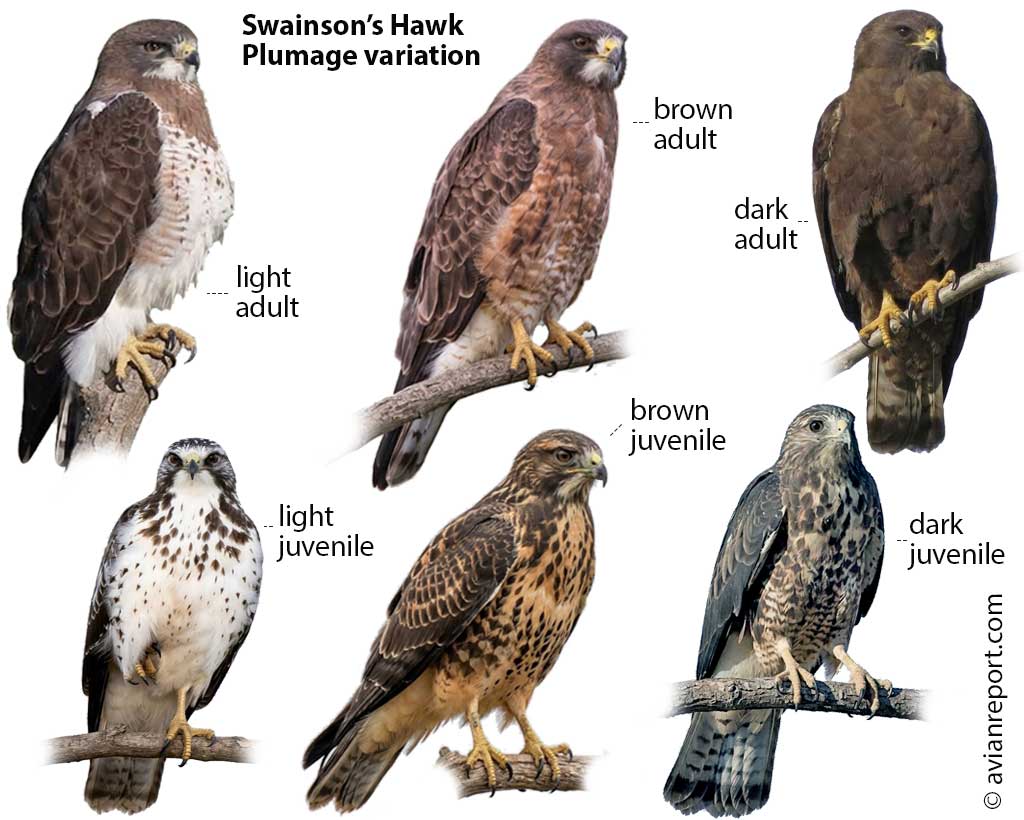
Juvenile birds of prey display different plumage patterns than adults, usually featuring brown upperparts and heavy ventral streaking. Juveniles also possess slightly longer flight feathers than adults. These longer feathers increase total surface area, compensating for underdeveloped flight muscles during the bird’s first year of flight and hunting practice.
Reversed Sexual Size Dimorphism
Females are significantly larger than males—is a hallmark trait across Accipitridae and Falconidae. The degree of dimorphism correlates strongly with diet; bird-eating specialists (e.g., Sharp-shinned Hawks, Peregrine Falcons) exhibit the most pronounced size differences, whereas scavengers and insectivores show minimal dimorphism.
Foraging Strategies and Hunting Mechanics
North American birds of prey employ diverse foraging strategies dictated by their morphological adaptations and target prey. These tactics range from passive sit-and-wait perching to cooperative group hunting.
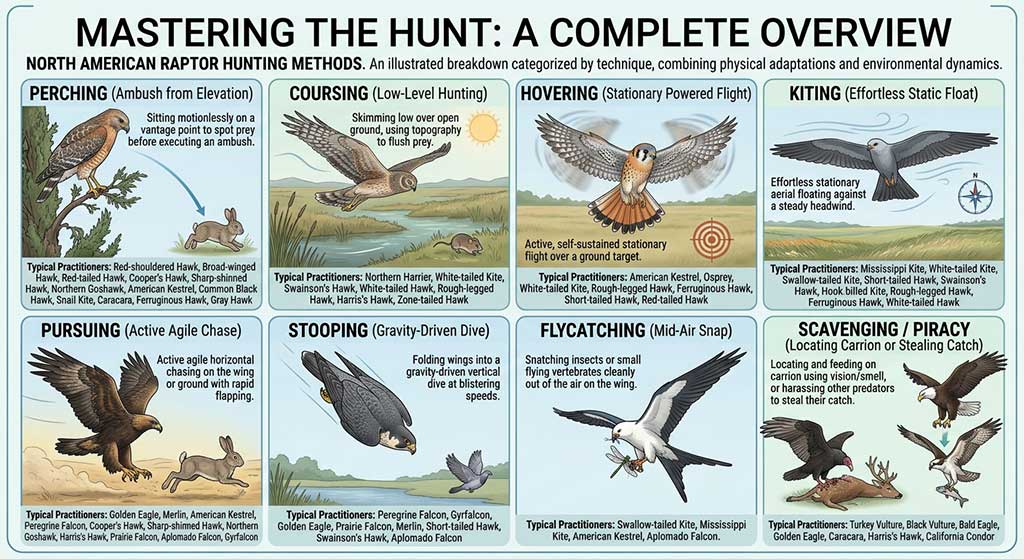
Sit-and-wait hunting is the primary strategy for many buteos and accipiters. Birds position themselves on elevated perches—such as tree snags, utility poles, or fence posts—scanning the ground or canopy for movement before launching a short, decisive attack dive.
Zone-tailed Hawks (Buteo albonotatus) employ aggressive mimicry. In flight, their plumage, tail pattern, and dihedral wing posture closely resemble those of the harmless Turkey Vulture. By soaring alongside vultures, Zone-tailed Hawks approach sharp-eyed prey unnoticed before dropping into a sudden dive.
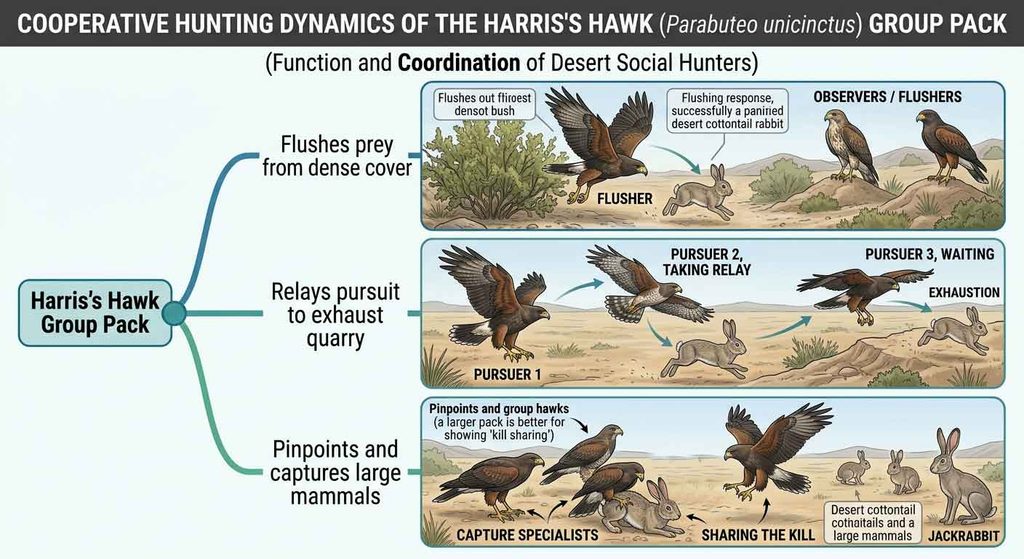
Cooperative hunting is rare in birds of prey but is highly developed in the Harris’s Hawk (Parabuteo unicinctus). Family groups form hunting packs in desert environments, coordinating to flush, surround, and kill large prey such as desert cottontails and jackrabbits, which are subsequently shared among the group.
Reproduction, Nesting Dynamics, and Life History
Mating Systems and Courtship Displays
The majority of North American birds of prey are socially monogamous, often maintaining pair bonds for life. Courtship displays signal pair formation, territory ownership, and reproductive readiness. Soaring buteos and eagles execute dramatic undulating flight displays (“rollercoaster flights”), diving steeply toward Earth before pulling up to climb back to high altitude.
Accipiters perform J-shaped display dives into the forest canopy, accompanied by slow-pacing flight with fluffed white undertail coverts. Courtship often involves aerial food passes, where the male transfers captured prey to the female in mid-air prior to copulation.
Nest Construction, Egg Laying, and Brood Dynamics
Nesting habits vary across families. Accipitrids build or renovate large stick nests lined with finer plant matter, bark, or greenery. Eagles build massive structures in mature trees or on cliff ledges that can weigh hundreds of kilograms after years of continuous reuse.
Falcons do not construct stick nests. Instead, they scrape out depressions on bare cliff ledges, utilize tree cavities (e.g., American Kestrel), or adopt abandoned stick nests built by corvids or hawks (e.g., Merlin, Aplomado Falcon).
Female raptors defer their wing and tail molt until egg-laying begins, conserving vital energy reserves. Clutches typically consist of 1 to 4 eggs laid at two-day intervals. Incubation lasts between 28 and 50 days, depending on body size, and is performed predominantly by the female while the male provides food.
Because incubation begins with the first or second egg laid, hatching is asynchronous. This creates a age-hierarchical size disparity among chicks within the nest cup.
In years when food supplies are scarce, the older and larger chicks outcompete their younger siblings for nourishment. This process of facultative brood reduction ensures that available food goes to the strongest nestlings, maximizing the probability that at least part of the clutch survives to fledging.
Many accipitrids deliver fresh green sprigs or coniferous needle clusters to the nest throughout the breeding season. These leafy materials release aromatic volatile terpenes that may reduce pest loads, inhibit fungal pathogens like Aspergillus, and signal nest occupancy to passing floaters.
Habitats, Migration Pathways, and Conservation Status
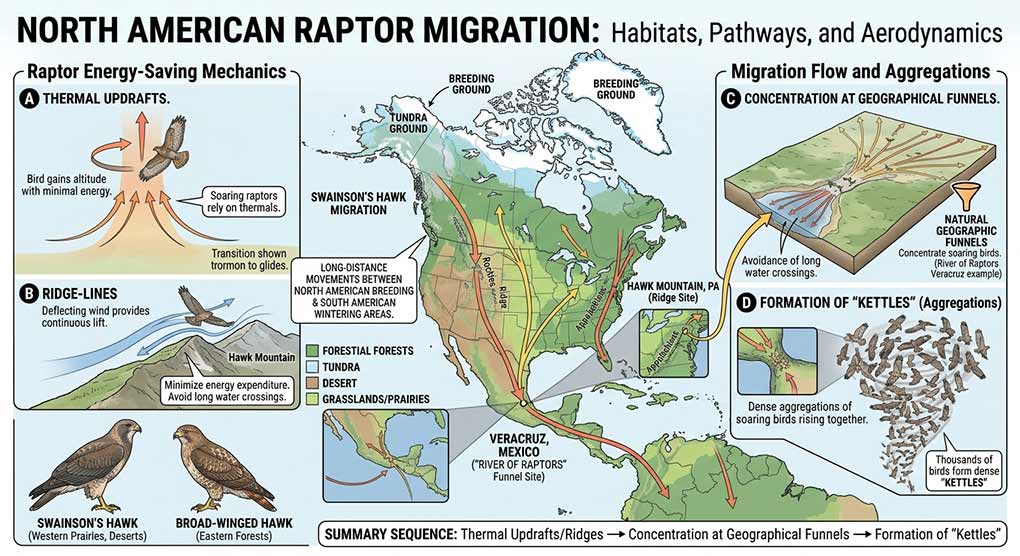
North American raptors occupy every major terrestrial biome, from high Arctic tundra to southwestern deserts. Highly migratory species, such as the Swainson’s Hawk and Broad-winged Hawk, execute annual long-distance movements between North American breeding grounds and South American wintering areas.
Migrating raptors rely heavily on topographically generated thermal updrafts and ridge-lines to minimize energy expenditure during long flights. Over land, thousands of soaring birds concentrate along natural geographic funnels, forming dense aggregations known as “kettles” at key sites like Hawk Mountain, Pennsylvania, and River of Raptors in Veracruz, Mexico.
Historically, raptor populations suffered severe declines from organochlorine pesticides like DDT, which caused extreme eggshell thinning and reproductive failure in species like the Peregrine Falcon, Bald Eagle, and Osprey. Following pesticide bans and intensive conservation programs, many of these species have made dramatic ecological recoveries.
Current threats to North American raptors include habitat loss and fragmentation, secondary rodenticide poisoning, collision hazards with wind turbines and power lines, and lead toxicosis resulting from the ingestion of spent lead ammunition in scavenged carcasses.
Comparative Matrix of Representative North American Raptors
| Common Name | Scientific Name | Family | Wingspan | Primary Habitat | Primary Diet | Key Field Marks |
| Red-tailed Hawk | Buteo jamaicensis | Accipitridae | 43–57 in (110–145 cm) | Open fields, woodlands, deserts | Small mammals, reptiles | Rufous tail (adults), belly band, dark patagial marks |
| Sharp-shinned Hawk | Accipiter striatus | Accipitridae | 20–27 in (50–68 cm) | Dense boreal & temperate forests | Small songbirds | Squared tail tip, small head, notched flight pattern |
| Northern Harrier | Circus hudsonius | Accipitridae | 40–46 in (102–118 cm) | Marshes, prairies, grasslands | Small mammals, birds | White rump patch, owl-like facial disc, shallow V flight |
| Swallow-tailed Kite | Elanoides forficatus | Accipitridae | 48–50 in (122–127 cm) | Swamps, lowland river forests | Flying insects, reptiles | Deeply forked tail, stark black-and-white plumage |
| Golden Eagle | Aquila chrysaetos | Accipitridae | 72–87 in (183–221 cm) | Mountains, canyons, open country | Medium mammals, birds | Golden nape feathers, fully feathered tarsi to toes |
| Bald Eagle | Haliaeetus leucocephalus | Accipitridae | 70–90 in (178–229 cm) | Coasts, lakes, major rivers | Fish, waterfowl, carrion | Pure white head/tail (adults), yellow heavy bill |
| Osprey | Pandion haliaetus | Pandionidae | 50–71 in (127–180 cm) | Lakes, rivers, coastal waters | Fish (exclusive) | White crown, dark eye stripe, long crooked wings |
| Peregrine Falcon | Falco peregrinus | Falconidae | 37–46 in (94–117 cm) | Cliffs, coastlines, urban towers | Medium birds | Dark helmet/malar stripe, long pointed wings |
| American Kestrel | Falco sparverius | Falconidae | 20–24 in (51–61 cm) | Farmland, forest edges, deserts | Insects, small rodents | Rufous back/tail, double vertical facial stripes |
| Crested Caracara | Caracara plancus | Falconidae | 47–51 in (120–130 cm) | Arid scrub, pastures, prairies | Carrion, small vertebrates | Crested black cap, bare orange face, long legs |
References and Sources:
- Allaboutbirds.org
- eBird. (https://ebird.org/)
- Birds of the World: https://birdsoftheworld.org/bow/home
- Gill, Frank B., 1994. Ornithology – 2nd Edition, W. H. Freeman and Company.
- Sibley, David, 2000, The Sibley Guide to Birds. Alfred A. Knopf, Publisher.
- Species Longevity Data: United States Geological Survey (https://www.usgs.gov/)
- The Sibley Guide to Bird Life and Behavior, 2001. Chris Elphick, John Dunning, and David Sibley (eds). Alfred A. Knopf, New York.
Author:
